Field guide
Three Transylvanian cities, one railway thread
A rail journey through Brașov, Sighișoara, and Sibiu makes a rewarding introduction to Transylvania when each stop has time to breathe.
Read the guide Journal Navarro
A country of mountain passes, old city streets, river villages, and routes that reward a little breathing room.
Find your first routeRomania is often introduced through a handful of familiar images: a medieval square, a mountain road, a painted monastery, a boat passing through reeds. The country is more interesting when those images are connected. A morning train changes how you understand a valley; a walk through a market makes a grand avenue feel like a neighborhood; a long pause beside a river puts distance into perspective.
Journal Navarro is an independent editorial project for travelers who want that connective tissue. We publish destination features and route guides that help you choose what belongs in a trip, what deserves more time, and what kind of journey suits the season and your own pace. Our focus is Romania: its cities, the Carpathian arc, the Danube Delta, and the smaller towns whose architecture records layers of local history.
These pages are written as planning companions, not as a promise that every stop will fit every traveler. A route is a framework you can adapt. Rail travel may suit a city-to-city journey; a regional car can make dispersed villages easier to connect; a boat changes the scale of a Delta visit. We explain those trade-offs without inventing fixed schedules, prices, or guarantees that can change between one trip and the next.
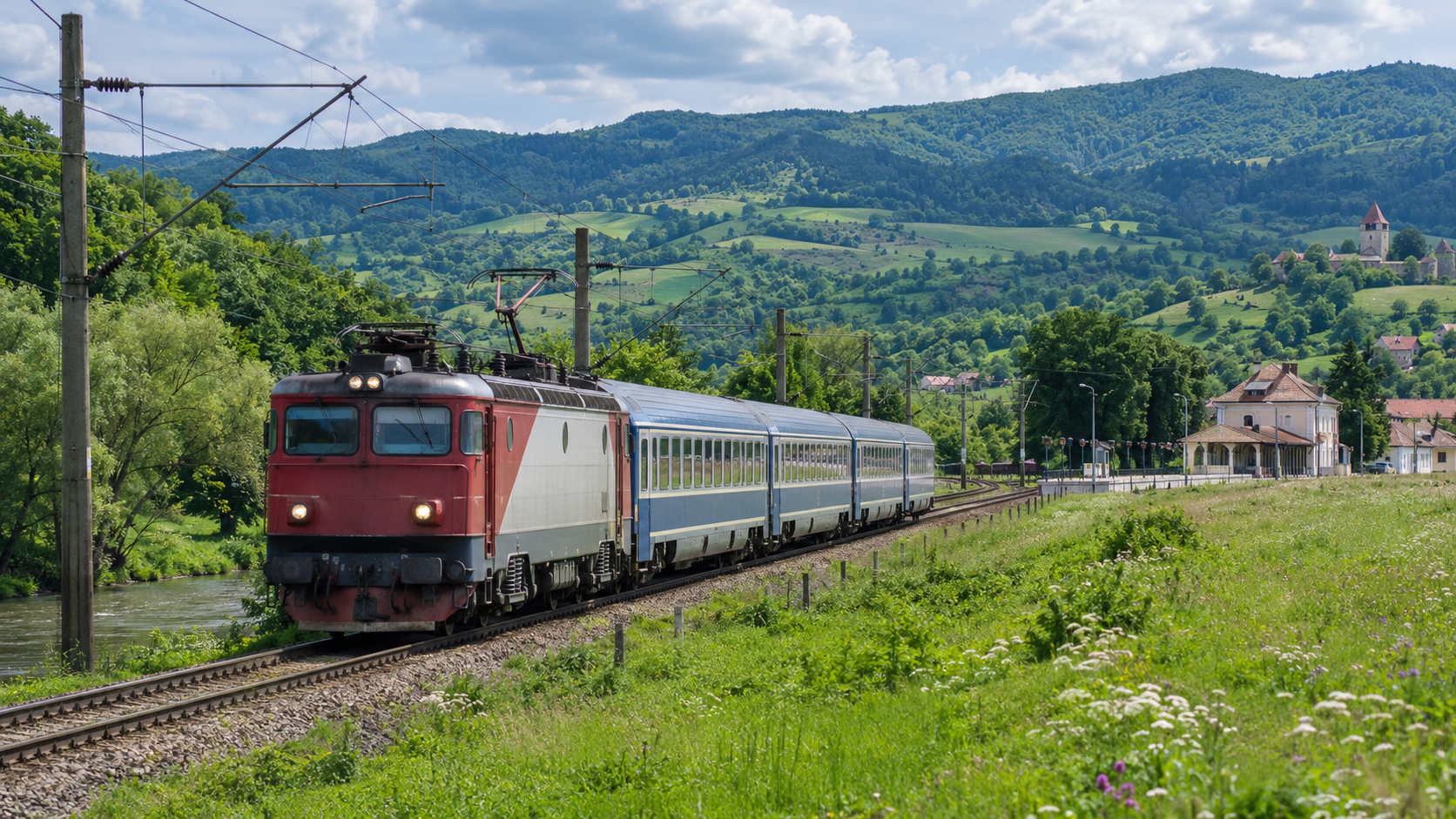
A rail journey through Brașov, Sighișoara, and Sibiu makes a rewarding introduction to Transylvania when each stop has time to breathe.
Read the guide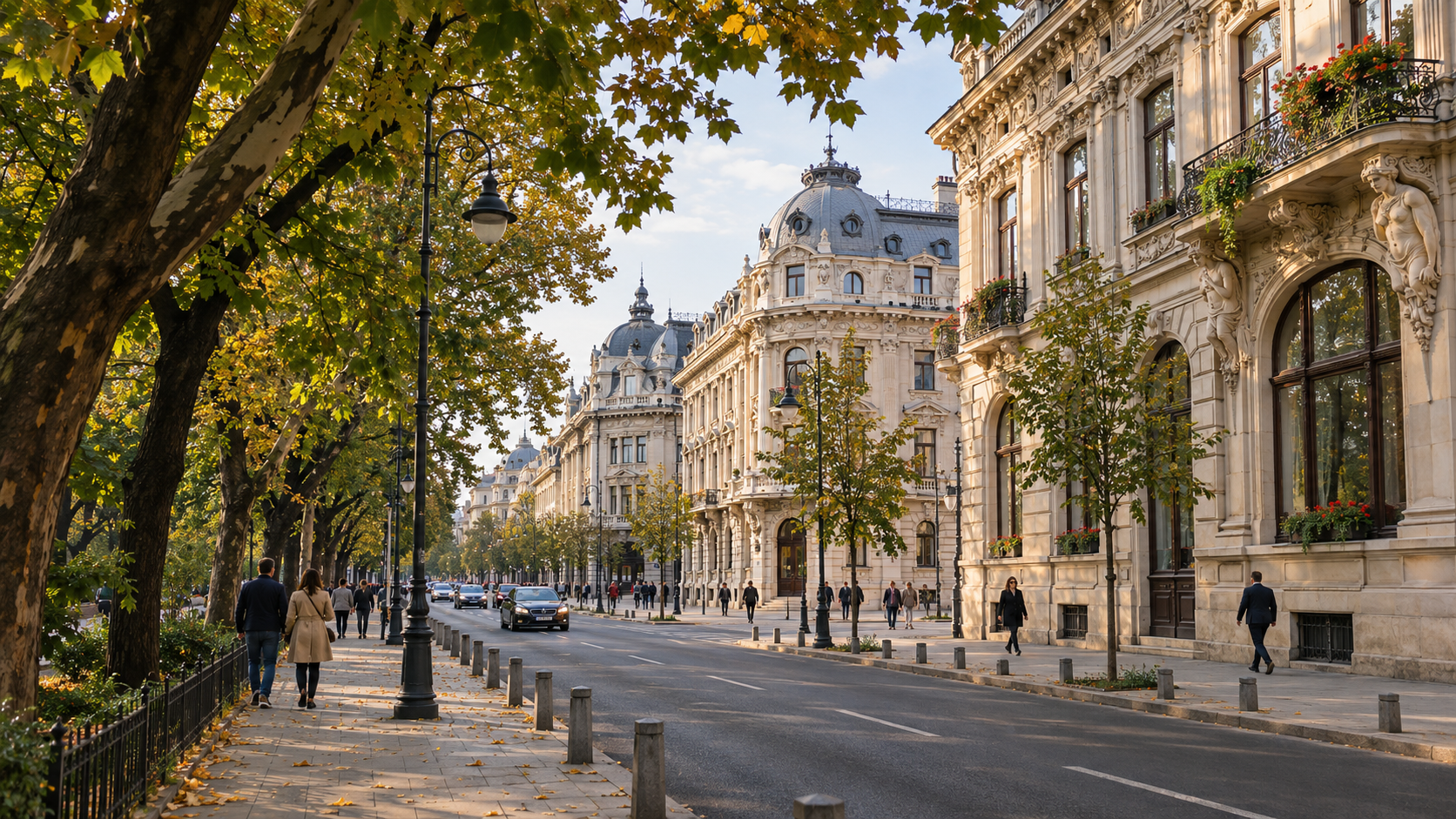
Bucharest becomes easier to read when you move through it in districts rather than treating the center as one long checklist.
Read the guide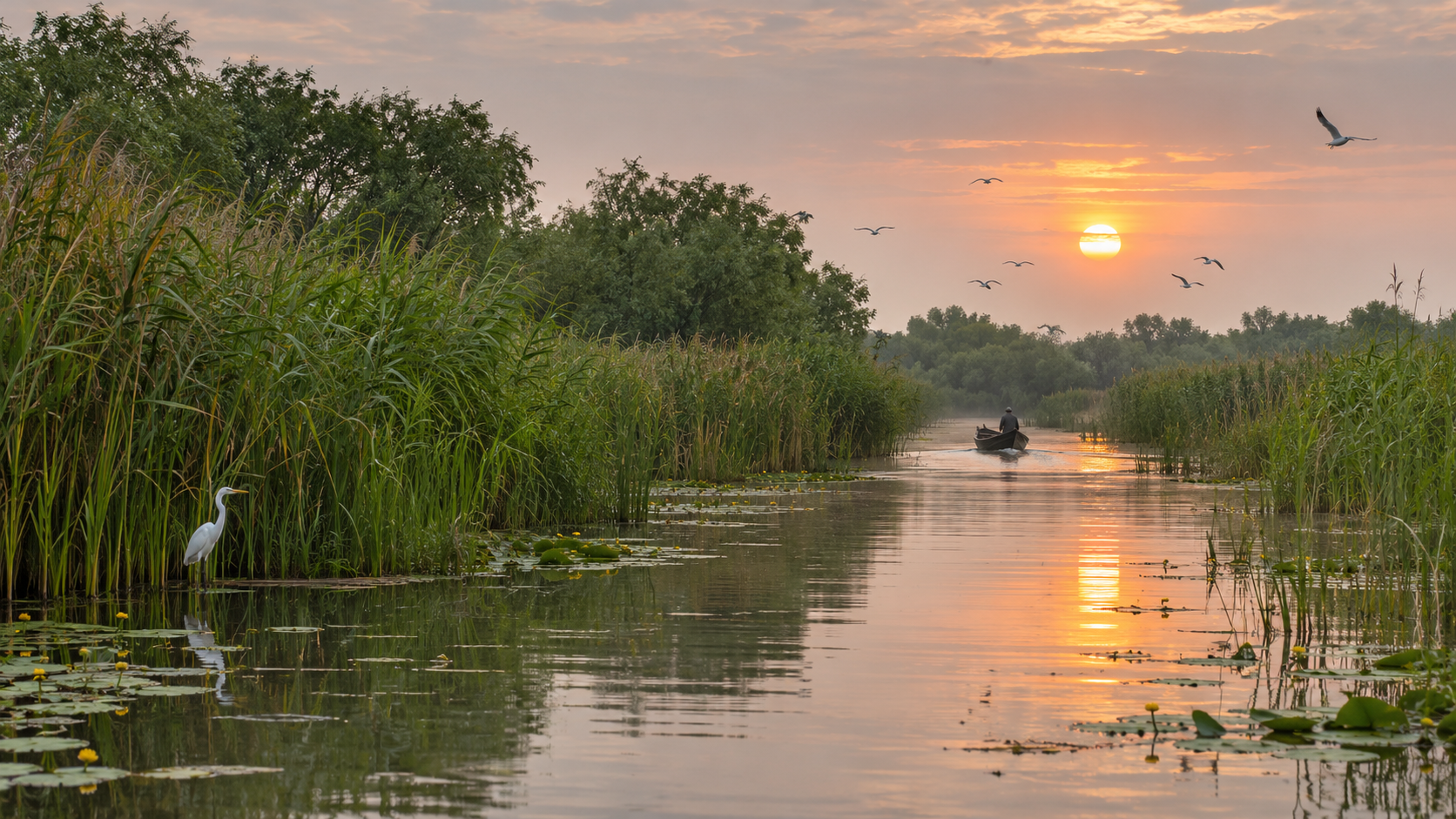
The Delta is not a single viewpoint but a shifting network of channels, reed beds, settlements, and working water routes.
Read the guide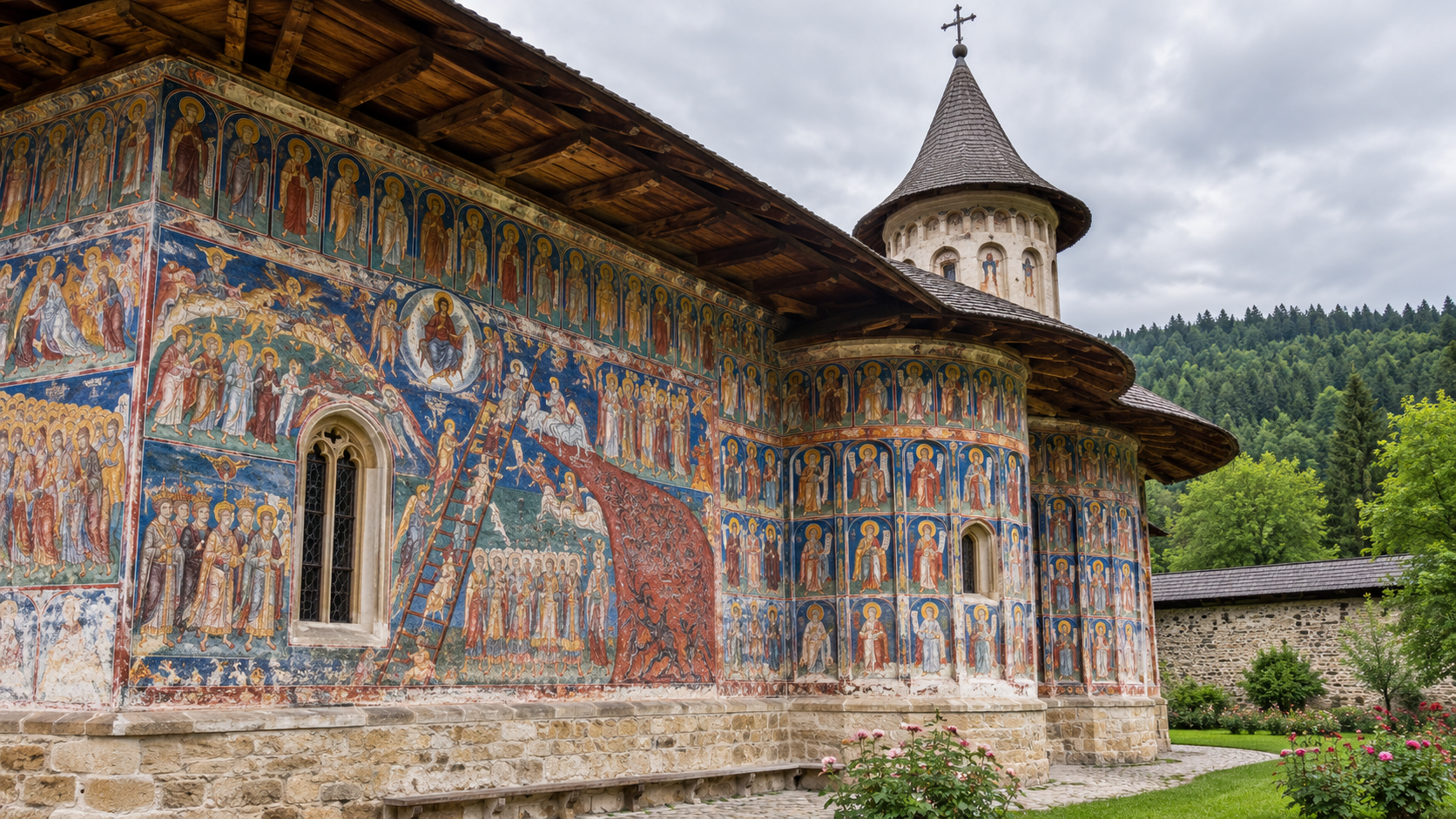
In Bucovina, religious art extends beyond the church interior: walls, courtyards, and surrounding hills all shape the experience.
Read the guide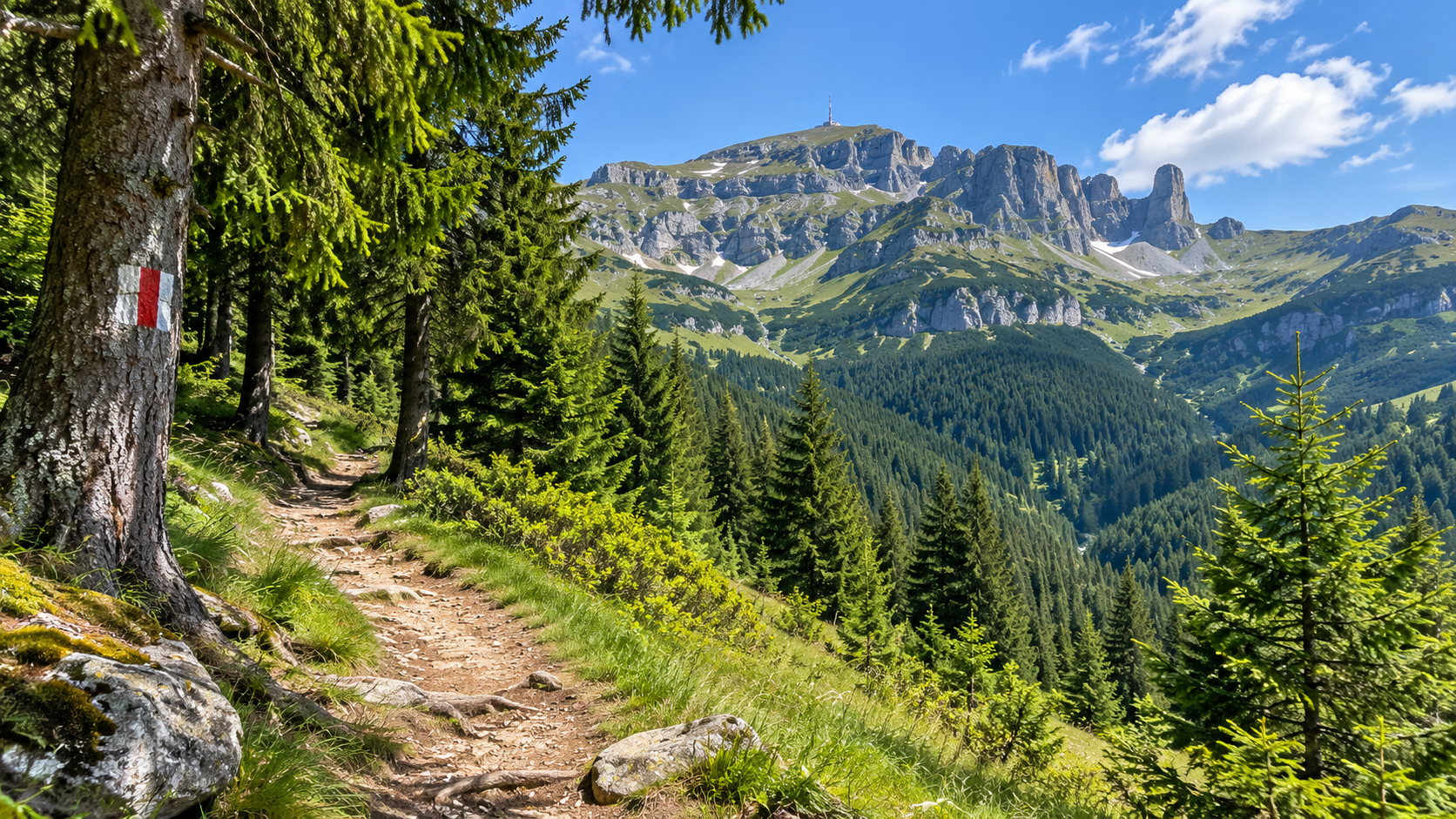
The best starting point for a mountain trip depends less on a famous name than on the kind of day you want outdoors.
Read the guide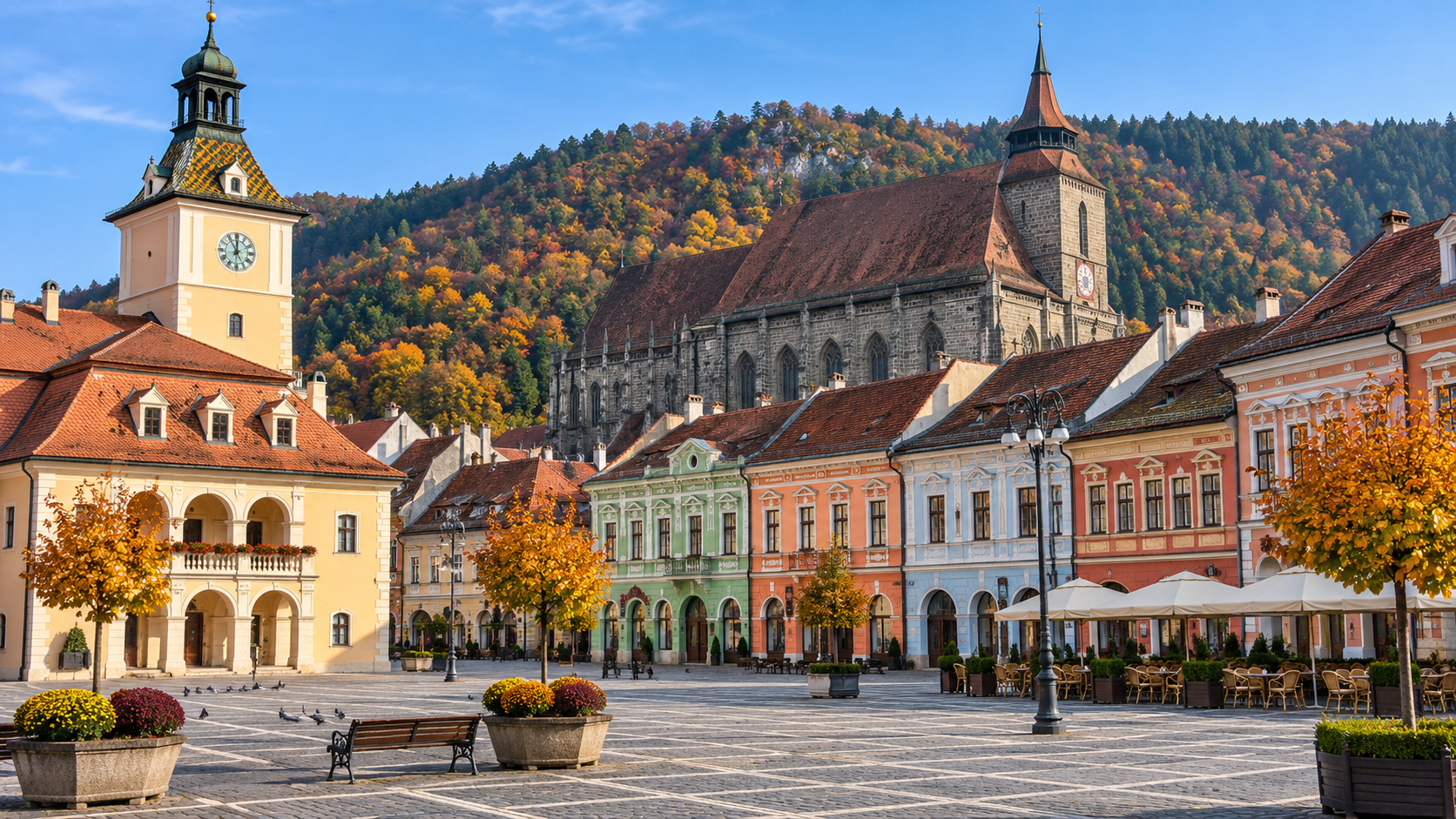
Brașov works as both a destination and a hinge: from its compact old center, the wider Saxon landscape becomes legible.
Read the guideA useful itinerary has both a spine and room to breathe. Start by choosing an anchor: a city, a rail corridor, a stretch of mountain country, or a landscape best experienced from the water. Then decide how much of the day should be spent moving. Two overnight bases can create a richer trip than four quick check-ins, especially when a place is best understood on foot.
Our guides distinguish between experiences that can sit together naturally and those that look close on a map but demand a separate journey. In Transylvania, for example, Brașov, Sighișoara, and Sibiu form a compelling sequence when you give each one a distinct purpose. In Bucovina, the monasteries are not simply a set of stops; the surrounding landscape and the time spent looking at the exterior paintings are part of the visit. The Danube Delta asks for a different kind of patience altogether, shaped by waterways and local boat movement.
Use the route ideas as starting frameworks. Check the current transport, access, and local conditions as your dates approach, then keep a flexible alternative for weather or a late connection. Each page points toward another related guide so you can build a trip around your interests rather than repeat a generic checklist.
The publication also welcomes carefully considered sponsored collaborations. A paid feature, if one is published, will be identified clearly on that page. An invitation to work together does not mean an existing article is sponsored; the editorial guides here stand on their own.
Journal Navarro does not sell tours, book hotels, or take payment for reservations. Our role is to make a place easier to understand before you arrive. Read the story behind the publication, review how we handle information in our privacy notice, or contact Journal Navarro with a question.